
In this season of food gifts and party leftovers, this article, previously published by My Recipes, is particularly important and worth sharing & re-sharing. #ThisGirlLovesToEat

“We’ve all let something languish in the fridge a bit longer than we realized. It’s not unreasonable to look at a single patch of mold on a strawberry and wonder if the whole lot has to be tossed. But what about a block of cheese with a quarter-sized fuzzy spot? Is that safe to trim and eat? Or does it have to go, too?
Fortunately, this handy guide from the U.S. Department of Agriculture can have the final say on what stays and what goes when you spot mold on your food.
4 Moldy Foods You Can Eat:
Hard salami or dry-cured country ham
It’s A-OK for hard salamis to have a thin white coating on the outside of the meat. This mold is put there on purpose: to produce flavor and protect the cured meat from bacteria. It’s safe to consume, as is any mold that grows on dry-cured country ham. Large slabs of the super salty pork are often used in restaurants as part decor, part conversation starter (and also a tangy topper to everything from pasta to avocado toast). If you buy one of these delicacies, don’t fear a little mold growth on the crust. Scrub it off (be sure to dry the ham well) before eating.
Cheeses made with mold
The mold in blue, Gorgonzola, Stilton, Brie, and Camembert is to be expected. After all, these cheeses are injected with mold before they ripen—that’s why they’re so funky and delicious. But not all molds are made to eat, so you can’t assume all molds on cheese get the approval. Hard cheeses, like Gorgonzola and Stilton, aren’t harmed by a little extra mold. Cut the spot away—half an inch to one inch all the way around—and enjoy. Softer cheeses, like Brie and Camembert, have to go if you spot mold growing on them. The fingerlike organisms of mold can reach deep into these softer cheeses and may develop into toxic substances.
Hard cheeses
Even cheeses that aren’t made with mold veins are safe to eat if you spot a speck of mold growing on them. Cheddar, for example, just requires you to trim an inch around the moldy spot (some experts argue you only need a half-inch buffer; do what feels safest for you) and toss that before diving in. Be sure to use a clean knife, and keep the blade away from the mold to prevent cross-contamination. When you’re finished slicing for your sandwich or burger, be sure to rewrap the cheese in a fresh covering so you don’t reinfect with mold spores.
Firm fruits and vegetables
Tough vegetables and fruit, like carrots, potatoes, and turnips can take the mold in stride. The mold threads have a hard time penetrating deep into these dense plant foods. Trim off an inch around the mold, and eat or cook as you planned. Softer fruits and vegetables, like cherries, strawberries, and corn, should be tossed. Mold can easily spread to nearby areas, even if you can’t see the spores with your naked eye.
When can molds be toxic?

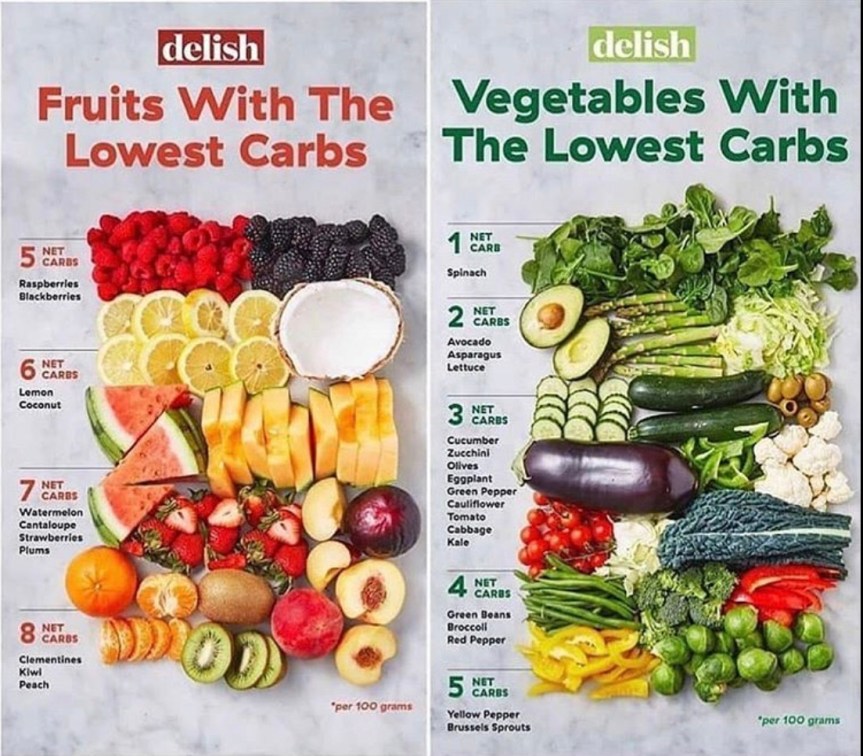


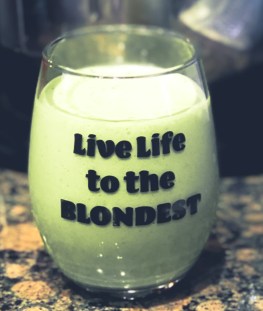 Deciding how you spend your carb allowance, when you are following a #KetoLifestyle, presents you with many options, depending on what stage of Keto you are at. When you are in your induction and weight loss phase, smoothies are generally not the way to spend your day’s allotted carbohydrates, but this one tops out at 9 Net Carbs so it can be included from day 1. This light and frothy smoothie a great #PickMeUp for that late afternoon slump plus it gives you a big protein, vitamin and fiber boost without piling on the calories.

 When I’m meal prepping, I like to multi-task. Often I have something in the air fryer, the pressure cooker, in the oven, and even in the broiler simultaneously. It’s easy to do that when you pre-plan your meals and know your timeline.



 One way to meal prep for the week is to do kebabs in the air fryer. Not only is it fast, but it’s a perfect way to measure out exactly what you’re eating. Today I made chicken kebabs and put them together with 3 different sides for 3 different healthy meals this week. These can easily be laid atop a bed of fresh spinach topped with olive oil and salt & pepper, beside a green salad, or on a mound of cauliflower mash. Except for needing to remove and heat the kebabs separately with the salad, it’s a quick & easy minute in the microwave for a hearty weekday lunch or dinner. #ThisGirlLovesToEat




 This Girl Loves to Eat!